The risks of aging plumbing systems
Plumbing systems operate silently out of sight. Due to their lack of visibility, some homeowners might not find out they have aged or failing pipes until they experience a leak, clog, or catastrophic failure.
Identifying the risks associated with aging plumbing can assist homeowners in recognizing potential indicators of a Problem at an early stage; thus taking proactive measures to avoid a minor issue turning into a costly fix.
How does aging affect plumbing materials?
All plumbing products are designed to function for a period of time, however no product will never last. In addition to their intended lifespan, plumbing products are subject to wear and tear through factors such as corrosion, water quality, and material degradation due to mineral deposits. Repeated exposure to temperatures and soil conditions can negatively impact a piping system. When combined with continued use over time, all of these factors contribute to the overall condition of a piping system.
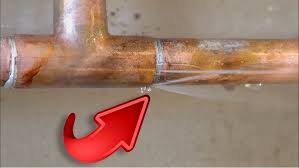
In general, older homes may utilize aged copper, galvanized steel, cast iron, etc. That can ultimately lead to the formation of corrosion (and/or) restriction(s), crack(s), or/leak(s). While the age alone of a piping system doesn’t ensure it will need to be replaced, it should be inspected regularly – particularly if multiple issues occur in short succession.
1. How corrosion weakens piping
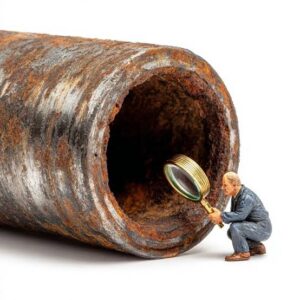
One of the largest threats associated with aged plumbing is corrosion. As time progresses, corrosion may weaken the inner and outer portions of a pipe.
Pipes that suffer from corroded interiors and/or exteriors may exhibit One or more of the following symptoms:
Rust or staining
Decreased water flow
Leaks
Rough interior surface
Weaker connections
Frequent plumbing issues
A pipe may continue operating while it’s being compromised by corrosion. A plumbing expert can perform evaluations to assess how severe the effects of corrosion are on a given piping system.
2. How old pipes may hide behind walls and under flooring.
It’s easy to miss small leaks behind walls or under flooring for extended periods of time. Even though there may be visible signs such as staining on ceilings, warping drywall, or musty smells, surrounding components could already be impacted. Some common indicators of concealed plumbing leaks include:
Unusual levels of moisture
Peeling paint
Damaged drywall
Musty smells
Increased water consumption
Professional leak detection services allow plumbers to detect concealed leaks without tearing apart walls or flooring.
3. Mineral deposition creates reduced water pressure
Minerals in hard water such as calcium and magnesium create layers within the inner portion of pipes that prevent normal water flow. Home owners may observe the following symptoms:
Water pressure loss
Slower flowing faucets
Lower shower pressure
Longer fill times
Unequal water pressure
If multiple fixtures show decreased water flow rates, it could be indicative of a larger Problem beyond just clogged aerators on individual faucets.
4. An older pipe system can create frequent drain issues
As pipes age, their interior surfaces become increasingly rough and/or restricted allowing debris to settle more frequently. If a drain consistently backs up after clearning, addressing the original Problem may not resolve the real issue.
Some solutions for identifying the source of recurring drain clogs include: drain cleaning, hydro-jetting, or using a plumbing camera to inspect the drain line.
5. Cracked or failed piping causes water damages
When a pipe fails it releases a substantial volume of water into the residence. Depending on which section of the house the pipe was located in, the water can Damage drywall, flooring, cabinets, insulation, etc.
Act quickly in the event of a serious leak. Shut down the applicable water shut-off valve(s) when possible and call a licensed plumber.
6. Why your older sewer line needs inspection too
While most people focus solely on the plumbing inside a house, sewer lines are also susceptible to aging and can experience similar problems with tree roots invading the pipe, cracking or structural deterioration.
Common indicators of deeper sewer problems include: sewage backup(s); offensive odors; slower draining sinks/toilets/showers/bathtubs across the Home; and unusual gurgling sounds coming from toilets/sinks/etc.
Using a video camera inspection can reveal the location and extent of any internal obstructions/blockages within the sewer line.
Should i get my old pipes checked out?
Consider scheduling a professional plumbing inspection if your Home features an older plumbing system and you’ve experienced recurring leaking; decreased water pressure; consistent clogging; yellowish colored water; or increased water consumption.
A professional inspection does not require you replace every pipe in your Home. Instead, it gives homeowners insight into their pipes’ current state so they’re better prepared to make intelligent decisions regarding repairs/replacement.
Preventing unseen plumbing issues
Not all failures from aged pipes happen without first exhibiting some type of signal. Many times repeat plumbing problems are the first sign that something deeper requires attention.
AC Plumbing Construction offers plumbing services in Carlsbad and the surrounding san diego area cities, including leak detection, drain cleaning/hydro jetting, tankless hot water heaters/water heater service/installations; new toilet installations; and camera inspections.
Repairing pipes. Building Trust. Since 2004.…