Introduction
A blocked pipe or pipe clog can be a nightmare for many homeowners, especially when a full or partial blockage occurs in their sewage system. Most homeowners would think that the only solution to this problem would be to dig up and replace the pipes involved. However, thanks to modern plumbing technology and techniques, homeowners do not have to go through this expense and stress. There are a variety of methods available to professionals today to fix pipes in an efficient manner without having to tear up and replace the entire pipe.
Knowledge of these alternatives will enable you to save money on expensive repairs; minimize the potential for damage to your property; and provide you with faster access to restoring your plumbing system back to normal. Irrespective of whether you’re experiencing minor leak(s), cracks in the pipe or stubborn clogs, there are numerous methods that can help fix the pipe without completely replacing it.
Identifying The Cause Of The Problem
To select which repair alternative is the best option, it’s essential first to diagnose where the problem originated. Full or partial blockage in a home’s sewage system can occur due to grease build-up, debris build-up, invasion by tree roots, or even minor misalignment of the pipe.
Plumbers usually utilize camera inspection equipment to view the inside of the pipes. Camera inspection helps the plumber see exactly where the damage occurred, and whether or not a repair solution other than complete replacement exists. Diagnosing correctly is the key to picking the right repair method and achieving successful outcomes.
Relining Pipes: A New Alternative For Repair
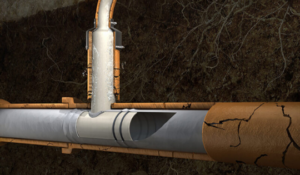
There are several ways to fix a pipe without replacing it. One of the most common alternatives is to use a flexible liner coated with resin that is inserted into the damaged portion of the pipe. After insertion, the resin-coated liner will cure (harden) and form a new pipe inside of the existing pipe. The advantages of using a flexible liner include its ability to seal any cracks or minor structural damage that exist along the length of the pipe, and can be done without excavation. Due to these reasons, it has become a preferred method for fixing damaged pipes in both residential and commercial applications.
Using this method can greatly increase the years of service provided by your plumbing system. It is very cost-effective compared to other methods of piping repair, and because of its durability, is considered a viable long-term solution for maintaining a functioning plumbing system.
Clogged Pipes And Hydro Jetting
On occasion, the primary reason for needing to repair a pipe is due to a clog rather than damage to the structure of the pipe. If this is the case, hydro-jetting could potentially be an excellent alternative for repairing a clogged pipe. Using extremely high pressure water jets, hydro-jetting can easily remove grease and debris that has accumulated inside pipes. Hydro-jetting is particularly beneficial at cleaning clogged pipes since it thoroughly cleanses the walls of the pipe. This can restore smooth operation of your sewer lines and eliminate clogging issues that existed prior to hydro-jetting.
Unlike snaking a pipe (using a snake to create a hole through clogs), hydro-jetting actually removes all material blocking the pipe. Regularly utilizing hydro-jetting can also help prevent additional clogs from occurring. As a result of this benefit alone, hydro-jetting can serve as both a means for cleaning clogged pipes and providing ongoing preventative maintenance for your plumbing system.
Applying Epoxy Coatings To Your Pipes
Another emerging method for repairing damaged pipes without total replacement is by using epoxy coatings. An epoxy coating is a liquid epoxy that can be applied directly to the interior surface of your pipes. Upon application of the epoxy coating, it will bond itself to your pipes’ surfaces, thereby filling in any cracks and preventing further leaking. In addition to addressing leaks in damaged pipes, epoxy coatings will also enhance the rate of water flowing through your pipes by eliminating sharp edges within your pipes that create resistance against moving water.
Epoxy coatings are generally non-invasive procedures that require very little downtime after completion. Therefore, they can be used successfully in occupied homes or offices.
Repairing Damaged Areas Of Your Pipe
In cases where only a local section of your pipe needs repaired (e.g., only a single spot is cracked), then pipe patching may be an appropriate procedure. Pipe patching is performed by placing either patches or sleeves over damaged sections of your pipes. These repairs strengthen areas of your pipes that are weakened due to cracking or breakage, while leaving undamaged portions intact.
Because this type of repair is highly specific and does not necessarily involve tearing up large sections of your yard, it is highly effective at providing fast and targeted fixes for problems associated with localized damage.